Blending Family Wellness with Yoga Classes Near Me: Bringing Studio Practices into Daily Home Life
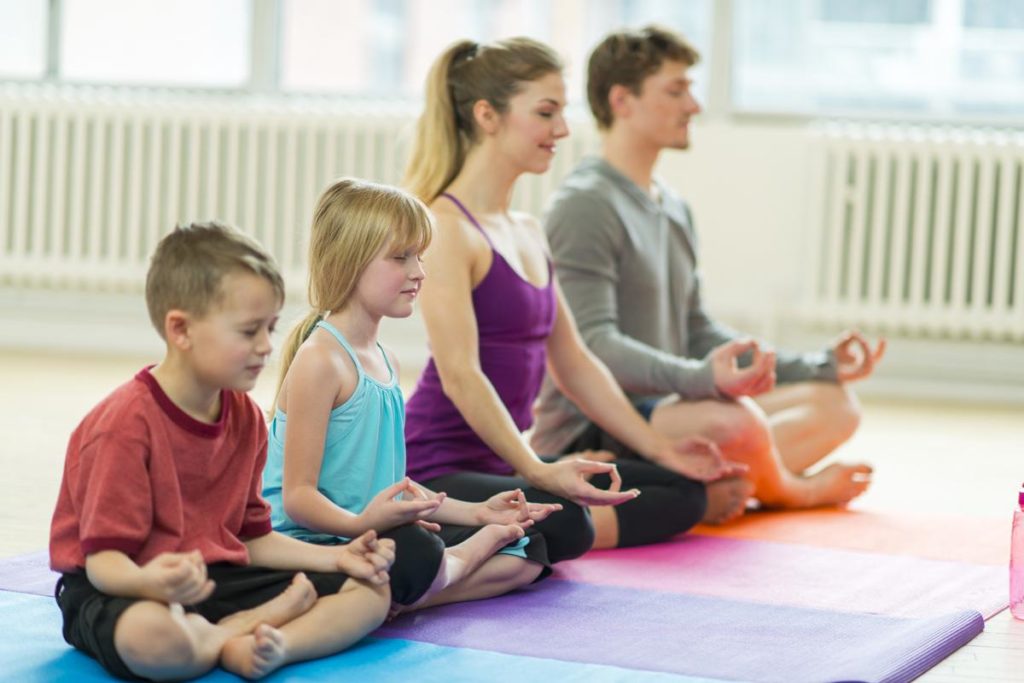
In Singapore, where daily routines often revolve around work, school, and packed schedules, many families find it difficult to prioritise wellness together. Yet, health is most sustainable when practised as a family unit. One of the most effective and enjoyable ways to bond while building healthy habits is through yoga. For many, joining yoga classes near me provides the foundation, but the real transformation happens when those practices are brought home and shared with loved ones.
Why Family Wellness Matters
Wellness is not just about individual health. When practised collectively, it creates a supportive environment where every family member feels motivated. Children observe and adopt habits from parents, while adults benefit from the energy and enthusiasm of younger members. Shared wellness activities also strengthen emotional bonds, helping families navigate stress together.
How Yoga Supports Families
Encouraging Physical Activity for All Ages
Yoga is versatile, making it suitable for children, adults, and seniors alike. Unlike other forms of exercise that may require different routines for each age group, yoga can be adapted for everyone. Simple poses like tree pose or seated stretches can be done together, allowing family members to stay active regardless of fitness level.
Building Emotional Connection
Yoga encourages mindfulness, which helps family members tune into one another. Practising together fosters empathy, patience, and a shared sense of calm. These qualities are especially valuable in households where different generations live under one roof.
Establishing Healthy Routines
Consistency is key in both wellness and family bonding. Creating a regular time for family yoga practice—whether in the morning to energise or in the evening to unwind—sets a positive rhythm for the entire household.
Bringing Studio Practices Home
Recreating the Atmosphere
Studios often have an ambience that promotes focus and relaxation. Families can replicate this at home by dedicating a corner for yoga, keeping it clutter-free, and adding elements like mats, cushions, or calming scents.
Following Structured Sequences
Classes in studios are designed to balance stretching, strengthening, and relaxation. Families can mirror this by starting with simple warm-ups, moving into playful or strength-building poses, and ending with quiet breathing or meditation.
Incorporating Breathing Techniques
Breathing exercises benefit all age groups. For children, techniques can be made playful, such as pretending to blow up a balloon. Adults and seniors may focus on alternate nostril breathing or deep belly breathing to reduce stress.
Family Yoga Activities to Try at Home
-
Partner Poses: Encourage cooperation and balance, such as seated back-to-back twists.
-
Storytelling Yoga: Parents guide children through stories where each scene involves a yoga posture.
-
Mindful Games: Simple activities like balancing on one leg or focusing on breath awareness.
-
Relaxation Time: End sessions with guided relaxation where family members lie down quietly and listen to calming music.
These activities keep the practice engaging for children while giving adults opportunities to unwind.
Real-Life Benefits in the Singaporean Context
Families in Singapore often face long working hours, school pressures, and limited downtime. Yoga at home bridges this gap by creating a shared space where stress can be released. Parents report improved patience, while children show better concentration and emotional regulation. Seniors benefit from improved mobility and reduced aches. Collectively, these changes create a healthier and happier home environment.
Role of Professional Guidance
While home practice is rewarding, initial guidance from experienced instructors is essential. Studio sessions help families learn safe alignment, proper breathing techniques, and age-appropriate modifications. After attending classes, families can confidently bring those practices into their daily routine. Studios like Yoga Edition provide supportive environments where families can begin their journey together before integrating yoga into home life.
Practical Tips for Success
-
Schedule family yoga at a consistent time each week to build routine.
-
Keep sessions short and fun when involving children.
-
Allow flexibility—if a child loses focus, let them rejoin later.
-
Use props like cushions or chairs to make poses accessible for all ages.
-
End with gratitude sharing, where each family member expresses something positive from the session.
Making Family Yoga Sustainable
The key to long-term success is adaptability. Families should adjust routines as members grow and schedules change. During school exams, shorter breathing practices may be more suitable. On weekends, longer sessions with playful poses can become a fun bonding activity. The goal is not perfection but consistency and shared joy.
Extending Wellness Beyond the Mat
Yoga can influence other aspects of family life. Practising mindfulness during meals, encouraging gratitude journaling, or using breathing techniques before bedtime are simple extensions of yoga philosophy. Over time, these habits create a home environment centred on calmness, balance, and respect.
FAQ
Q: Can children really benefit from yoga?
A: Yes, yoga helps children develop balance, coordination, and focus. It also teaches emotional regulation, which supports both academic and social growth.
Q: How long should a family yoga session last?
A: For families with children, 20–30 minutes is usually ideal. Adults and older family members may extend sessions to 45 minutes if comfortable.
Q: What if family members have different fitness levels?
A: Yoga is adaptable. Everyone can practise at their own pace using modifications. For example, seniors can use chairs for support while younger members try more challenging postures.
Q: How often should families practise yoga together?
A: Two to three sessions per week are realistic and sustainable. Consistency matters more than duration.
Q: Do we need special equipment for family yoga?
A: A few mats and simple props like blocks or cushions are enough. Families can gradually add items if desired, but minimal equipment is required to begin.