Emergency AC Repair Service Near You: How to Act Fast and Stay Cool
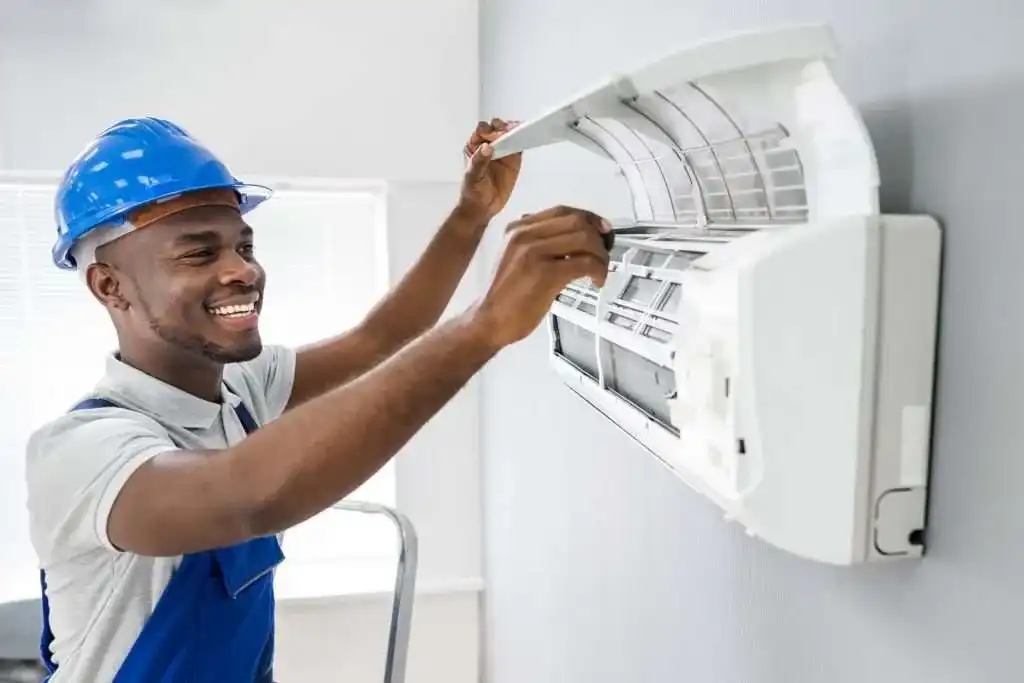
When the AC Quits, Everything Stops — But You Don’t Have To
We’ve all been there. It’s the hottest day of the year, and suddenly, the air stops. It’s not just uncomfortable—it’s suffocating. At Christianson Air Conditioning & Plumbing, we’ve handled thousands of cooling breakdowns just like this. Our years of experience have taught us one thing: when your AC fails, you need more than cold air—you need fast answers and a clear plan.
That’s why we created this guide. It’s here to walk you through exactly what to do, what not to do, and how to spot early signs that your system might be in trouble. Whether you’re sweating it out in the middle of the night or just planning, knowing when to call for emergency AC repair service can save you time, stress, and some serious discomfort.
Let’s get into the details—before things heat up any further.
Signs Your AC Isn’t Just Misbehaving—It’s in Trouble
Sometimes, your AC acts up for a moment. Other times, it’s screaming for help. The key is knowing the difference.
If your system:
- Blows warm or no air at all
- Makes loud, grinding, or banging noises
- Leaks water or refrigerant
- Causes circuit breakers to trip
- Suddenly shuts down without warning
… you’re looking at more than a hiccup. These issues signal that the system may be on the verge of a major failure. And when heat indexes climb past 100°F, there’s no room for trial and error.
Your home should be your comfort zone—not a sauna. Catching these signs early can stop you from sitting in a sweatbox or spending too much on preventable damage.
What You Can (And Should) Do Before Help Arrives
You’ve made the call. Great. But now what?
The time between the breakdown and the technician’s arriving matters. Here’s how you can stay safe, cool(ish), and protect your system:
- Turn off your AC to avoid further damage.
- Check your thermostat settings—sometimes, it’s a simple programming mistake.
- Replace your air filter if it’s dirty.
- Close blinds and curtains to keep out heat.
- Use ceiling fans to circulate whatever cool air is left.
Doing these things won’t fix the core issue, but they can make the wait easier and help the technician work faster when they arrive. Every bit of preparation helps.
Why Delaying Repairs Can Cost You More Than Comfort
It’s tempting to hope the system “just starts working again.” But that delay? It could lead to worse outcomes.
Let’s say a part is overheating. Leaving the unit on could burn out the motor. Or if refrigerant is leaking, you could risk compressor damage—an expensive fix.
Here’s the reality:
- Running a failing system strains all parts.
- Repairs are often cheaper when handled early.
- Waiting can lead to complete unit replacement.
It’s not just about today’s discomfort—it’s about avoiding tomorrow’s big bill.
Not All Cooling Problems Are Created Equal
You might think every AC problem is urgent. That’s not always true. Some issues can wait a day or two. Others? They need attention now.
Call immediately if:
- There’s a burning smell or smoke from the unit.
- The system shuts off in extreme heat.
- Water is leaking near electrical components.
- There’s no airflow at all.
Wait-and-see might work for:
- A slightly noisy fan
- Occasional short cycles
- Uneven cooling in rooms (still worth checking out, just not emergency level)
Understanding which category your issue falls into helps you avoid unnecessary panic—or unnecessary risk.
How to Prevent Emergency Breakdowns in the First Place
Nobody wants to deal with surprise AC issues. The best fix? Avoiding the breakdown altogether.
Here’s what smart homeowners do:
- Schedule yearly tune-ups—catch issues early.
- Change filters every 30–90 days.
- Keep outdoor units free of debris and leaves.
- Watch for early signs of strain, like longer run times or warm air.
It’s not magic—it’s maintenance. And it works.
The Real Value of Having a Plan in Place
When the heat hits and the AC dies, your comfort—and health—can take a hit. Having a go-to plan in place can reduce panic and get you back to cool faster.
Keep these basics in mind:
- Know who to call ahead of time.
- Understand what’s safe to troubleshoot.
- Stay alert for warning signs before a full breakdown.
The best part? Once you’ve been through it once, you’ll never get caught off guard again. You’ll be ready, calm, and cool—even if the system isn’t.
Let’s Keep You Cool—No Matter What
We’re here because we’ve seen what happens when the AC quits at the worst time. And we don’t want you to go through that without support. Whether you’re sweating through a sudden breakdown or just getting prepared, remember this: fast action and smart steps can make a world of difference.
Got no cold air? Let’s fix that. Call us, and let’s keep things cool.