Preventive Plumbing Maintenance Checklist for Every Household
Preventive plumbing maintenance is one of the most practical ways homeowners can protect their property from unexpected repairs and costly water damage. Many plumbing problems begin as small issues that remain unnoticed until they become serious disruptions. A structured maintenance routine helps identify concerns early, improves system efficiency, and extends the lifespan of fixtures and pipelines.
Routine inspection does not require specialized training. With consistent observation and a few simple habits, homeowners can maintain reliable plumbing performance throughout the year.
Why Preventive Plumbing Maintenance Matters
Preventive maintenance reduces emergency repair costs and protects structural components of the home. Water damage from hidden leaks can affect flooring, walls, insulation, and furniture before the problem becomes visible.
Regular maintenance helps homeowners:
- Detect leaks early
- Improve water pressure performance
- Prevent pipe corrosion
- Reduce water waste
- Extend fixture lifespan
- Avoid unexpected service interruptions
Simple checks performed consistently provide long term reliability.
Monthly Plumbing Inspection Checklist
A monthly routine keeps small problems from developing into major repairs. These quick inspections require minimal time but deliver valuable results.
Recommended monthly tasks include:
- Checking under sinks for moisture or drips
- Inspecting exposed pipes for corrosion
- Testing faucet pressure levels
- Observing toilet flushing performance
- Listening for unusual sounds in plumbing lines
Consistent observation allows homeowners to recognize changes quickly.
Checking Faucets for Leaks and Wear
Faucet leaks are among the most common household plumbing issues. Even small drips can waste significant amounts of water over time.
Signs of faucet problems include:
- Persistent dripping after shutting off water
- Reduced water pressure
- Visible mineral buildup around handles
- Loose fixture connections
Replacing worn washers and tightening fittings often resolves these problems quickly.
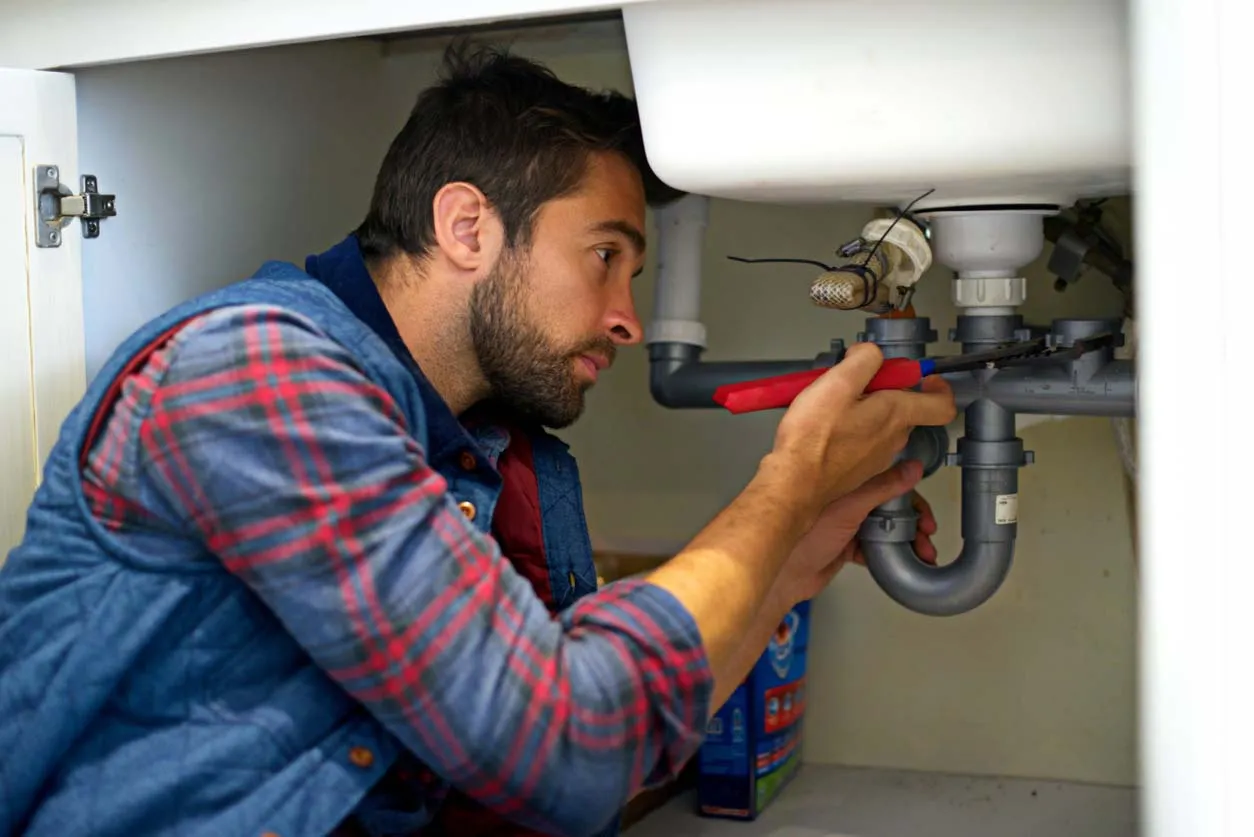
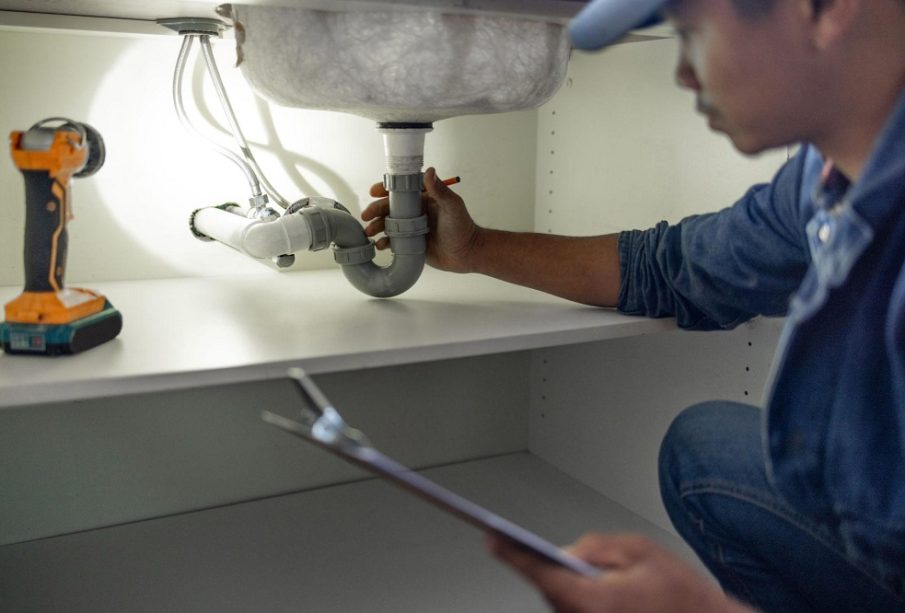
Inspecting Under Sink Plumbing Connections
Cabinet areas beneath sinks often hide early warning signs of plumbing issues. Routine inspection helps identify leaks before they spread.
Look for:
- Damp cabinet surfaces
- Water stains
- Loose pipe joints
- Unusual odors
Dry surfaces indicate healthy plumbing connections.
Maintaining Kitchen Drain Efficiency
Kitchen drains experience frequent use and are especially vulnerable to clogs caused by grease and food particles.
Preventive maintenance steps include:
- Avoiding disposal of cooking oils
- Running hot water after washing dishes
- Using strainers to catch debris
- Flushing drains periodically with warm water
These habits reduce buildup inside pipes.
Bathroom Drain Maintenance Practices
Bathroom drains commonly accumulate soap residue and hair. Regular cleaning prevents slow drainage and pipe blockage.
Recommended bathroom drain maintenance includes:
- Removing visible debris weekly
- Flushing drains with warm water
- Monitoring drainage speed
- Cleaning drain covers regularly
Preventive cleaning helps avoid plumbing emergencies.
Monitoring Toilet Performance and Efficiency
Toilets are heavily used fixtures that benefit from routine inspection. Early detection of issues prevents water waste and costly repairs.
Signs that maintenance may be needed include:
- Continuous running water
- Weak flushing performance
- Slow tank refilling
- Unstable toilet base movement
Replacing worn internal components often restores normal operation.
Water Heater Maintenance for Reliable Performance
Water heaters require periodic inspection to maintain efficiency and safety. Sediment buildup inside tanks can reduce heating performance over time.
Preventive water heater maintenance steps include:
- Checking temperature settings
- Inspecting valves and connections
- Observing for unusual noises
- Monitoring heating consistency
Annual inspection improves system longevity.
Inspecting Exposed Pipes for Corrosion and Damage
Visible pipes provide valuable insight into overall plumbing health. Changes in pipe surfaces often indicate early warning signs of deterioration.
Watch for:
- Rust formation
- Discoloration
- Surface cracks
- Condensation buildup
Addressing these signs early prevents larger issues later.
Testing Household Water Pressure Levels
Balanced water pressure supports fixture performance and protects pipe connections from strain.
Signs of pressure concerns include:
- Weak shower flow
- Noisy pipes
- Splashing faucets
- Rapid appliance wear
Consistent pressure improves plumbing reliability.
Checking Outdoor Plumbing Fixtures Regularly
Outdoor plumbing systems often receive less attention than indoor fixtures. However, they are exposed to weather conditions that increase wear.
Outdoor maintenance tasks include:
- Inspecting hose bib connections
- Checking irrigation lines
- Monitoring exterior pipe insulation
- Testing shutoff valves
Routine inspection prevents seasonal damage.
Maintaining Garbage Disposal Units Properly
Garbage disposals improve kitchen convenience but require careful use to remain effective.
Preventive maintenance includes:
- Running cold water during operation
- Avoiding fibrous food waste
- Cleaning with mild solutions periodically
- Listening for unusual noises
Proper usage extends appliance lifespan.
Identifying Hidden Leak Warning Signs
Hidden leaks can cause serious structural damage if not detected early. Recognizing warning signs helps prevent costly repairs.
Common hidden leak indicators include:
- Unexplained increases in water bills
- Damp wall surfaces
- Musty odors
- Peeling paint or wallpaper
Early detection protects interior finishes and insulation.
Inspecting Appliance Water Connections
Many household appliances depend on plumbing connections for proper operation. Regular inspection ensures safe performance.
Appliances to check include:
- Washing machines
- Dishwashers
- Refrigerators with water dispensers
- Water filtration systems
Secure connections reduce leak risks.
Seasonal Plumbing Maintenance Tasks
Different seasons introduce unique plumbing challenges. Adjusting maintenance routines throughout the year improves protection.
Seasonal maintenance recommendations include:
- Inspecting pipe insulation before colder months
- Checking outdoor faucets after winter
- Monitoring drainage systems during rainy seasons
- Testing sump pump operation when applicable
Seasonal preparation supports long term system performance.
Knowing When Professional Inspection Is Necessary
While homeowners can perform many maintenance checks independently, professional inspection provides additional assurance.
Situations requiring professional evaluation include:
- Persistent low water pressure
- Repeated drain clogs
- Water heater performance concerns
- Suspected underground pipe leaks
Professional assessment ensures accurate diagnosis and safe repairs.
Creating a Household Plumbing Maintenance Routine
Consistency is the most important factor in preventive plumbing care. Establishing a maintenance routine helps homeowners stay organized and prepared.
Suggested maintenance scheduling includes:
- Monthly visual inspections
- Seasonal outdoor checks
- Annual appliance connection review
- Periodic water heater evaluation
Routine maintenance reduces emergency repair risks significantly.
Frequently Asked Questions
How often should plumbing systems be inspected in a typical home
Basic visual inspections should be performed monthly, while more detailed checks can be completed seasonally or annually depending on fixture usage.
Can preventive plumbing maintenance reduce water bills
Yes. Detecting leaks early and maintaining efficient fixtures helps reduce unnecessary water consumption.
What tools are helpful for basic plumbing maintenance at home
Simple tools such as adjustable wrenches, flashlights, pipe tape, and drain strainers support routine inspection tasks.
Is pipe insulation necessary in warmer climates
Pipe insulation can still improve efficiency and protect plumbing from temperature fluctuations even in mild climates.
Should homeowners test shutoff valves regularly
Yes. Periodic testing ensures valves remain functional during emergencies.
Are slow drains always a sign of blockage
Slow drainage often indicates buildup inside pipes, but it can also result from ventilation or pressure issues.
How can homeowners prepare plumbing systems before traveling
Before extended trips, it is recommended to turn off the main water supply and inspect fixtures to reduce the risk of unnoticed leaks.