The complete guide to choosing safe ninja playground equipment
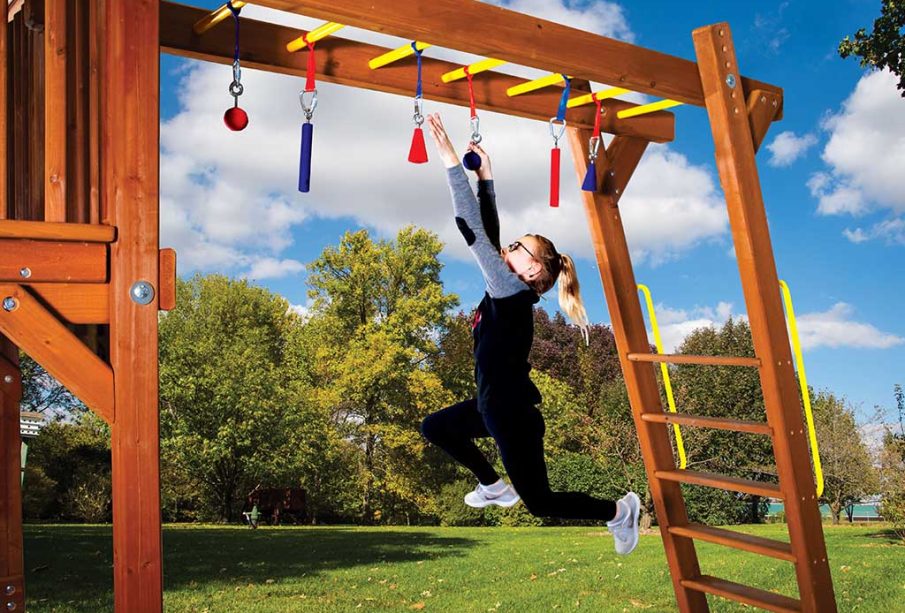
Transforming your backyard into an adventurous obstacle course offers endless fun and incredible developmental benefits for kids. Imagine the laughter and physical challenges as they swing, climb, and balance their way to becoming little ninjas. However, the excitement of creating such a space must always be balanced with a paramount focus on safety.
Selecting the right ninja playground equipment is a big decision, impacting both enjoyment and wellbeing. This comprehensive guide will walk you through the essential considerations, ensuring your backyard setup is not only thrilling but also meets the highest safety standards. We will explore everything from structural integrity to proper installation, helping you make an informed choice for your family.
Understanding the allure of backyard ninja courses
Ninja playgrounds have surged in popularity, captivating children with their dynamic challenges and opportunities for imaginative play. These setups encourage kids to push their physical boundaries, developing strength, agility, and coordination. They offer a fantastic alternative to screen time, getting children outdoors and active in a structured yet playful environment.
Beyond the physical benefits, these courses foster problem-solving skills and resilience. Children learn to assess obstacles, plan their movements, and persevere through challenges, building confidence with every successful traverse. It is a fantastic way to encourage healthy physical development and mental fortitude.
What makes a ninja playground exciting and beneficial?
The appeal of a ninja playground lies in its versatility and capacity to grow with your child. Unlike traditional swings sets or kids slides, these systems often feature interchangeable components, allowing for new challenges as skills improve. Think of climbing ropes, cargo nets, and various types of bars that can be reconfigured for fresh adventures.
These dynamic setups promote holistic development, engaging multiple muscle groups and enhancing balance. They also encourage social interaction when friends come over, fostering teamwork and friendly competition. It is an investment in your child’s physical health and imaginative play for years to come.
Key safety considerations for your ninja course
When planning your backyard ninja course, safety must be the absolute top priority. This involves meticulous attention to the design, materials, and overall construction of the equipment. Overlooking any detail could lead to injuries, so a thorough understanding of safety standards is crucial.
Consideration for the age and skill level of the users is also vital when choosing components. What might be safe for an older, more experienced child could pose a risk to a younger, less developed one. Always opt for equipment that aligns with the intended users’ capabilities.
Material matters and structural integrity
The quality of materials used in your ninja playground equipment is non-negotiable for safety and longevity. Look for robust, weather-resistant materials like galvanised steel or high-grade timber, specifically designed for outdoor playground equipment use and heavy loads. For ropes, choose marine-grade nylon or poly-dacron for durability and resistance to UV rays and moisture. Wooden components, if used, should be pressure-treated or naturally rot-resistant species like cedar or redwood, and free from splinters or sharp edges. Metal parts should be rust-proof and have smooth finishes to prevent cuts. Beyond the materials themselves, the structural integrity of the entire course is paramount. All uprights, whether timber posts or metal frames, must be securely anchored into the ground, often with concrete footings, to prevent tipping or shifting under dynamic loads. Check weight ratings for all individual components and the overall structure, ensuring they can safely support multiple users if that’s the intention. Overloading can compromise stability. If you’re not confident in your DIY skills, consider hiring a professional installer experienced in playground equipment to ensure everything is put together correctly and safely.
Fall surfacing: A critical safety layer
Beneath all obstacles, adequate fall surfacing is absolutely essential. Concrete, asphalt, or bare ground are unacceptable and can lead to serious injuries. Instead, opt for materials specifically designed to absorb impact, such as wood chips, engineered wood fiber (EWF), rubber mulch, or rubber tiles. The depth of the surfacing is crucial; generally, a minimum of 9-12 inches is recommended for fall heights up to 8-10 feet, but always consult manufacturer guidelines and local safety standards (e.g., ASTM F1292). Ensure the surfacing extends well beyond the footprint of the equipment, creating a sufficient ‘fall zone’ in all directions, typically at least 6 feet from the edge of any equipment to provide ample space for accidental falls.
Supervision and establishing clear rules
Even with the safest design and materials, active supervision is key, especially for younger children or those new to the course. Establish clear rules for use from day one, such as one person per obstacle at a time, no pushing or shoving, and proper use of hands and feet. Teach children how to safely dismount or fall, emphasizing techniques that minimize impact. Regularly remind them of these rules and enforce them consistently. Consider setting age, height, or skill limits for certain advanced obstacles to prevent children from attempting challenges beyond their current capabilities. This proactive approach significantly reduces the risk of accidents.
Regular maintenance and inspections
A backyard ninja course isn’t a ‘set it and forget it’ installation. Ongoing maintenance is vital to ensure its safety and longevity. Develop a routine inspection schedule, ideally weekly during peak use and monthly otherwise. Look for loose bolts, worn ropes, splintering wood, rusted metal, or damaged components. Tighten all fasteners regularly. Check the depth and condition of your fall surfacing, raking it smooth and topping it up as needed to maintain adequate cushioning. Clear away any debris, sharp objects, or pooling water. Lubricate moving parts if recommended by the manufacturer. Addressing minor issues promptly can prevent them from escalating into major safety hazards, ensuring the course remains a safe and enjoyable environment for years.
Customization and future-proofing your course
One of the greatest advantages of modern ninja course systems is their inherent modularity and adaptability. As your child grows stronger, more agile, and more confident, their need for new challenges will inevitably increase. Planning for this from the outset can save you time and money. Choose systems that offer a wide range of compatible accessories and components that can be easily added or swapped out. This might include varying difficulty levels for rings, different types of grips, more complex climbing elements, or even adjustable heights for certain obstacles. A robust frame and anchoring system will allow for future expansion and reconfiguration without needing a complete overhaul. This approach ensures the course remains engaging and relevant, providing continuous physical and mental stimulation as your child progresses from a beginner to a true ninja warrior, maximising your investment in their active play and development.