The Wealth Engine: Maximizing Rental Income Through Strategic Property Management
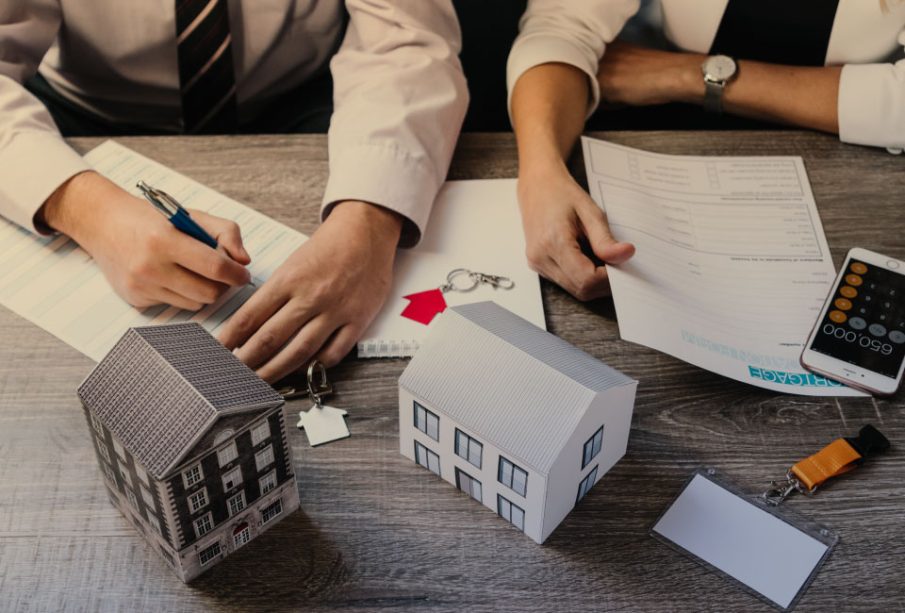
Owning investment real estate is often described as a passive endeavor, but seasoned investors know that true profitability requires an active and strategic approach. The difference between a property that merely breaks even and one that serves as a powerful wealth engine often lies in the quality of its management. Strategic long beach property management is not just about collecting checks and fixing leaky faucets; it is a holistic business philosophy focused on optimizing every aspect of the asset to increase its net operating income. By viewing a rental property through the lens of long-term value creation rather than short-term convenience, owners can unlock hidden revenue streams, reduce costly turnover, and ensure their investment grows in value over time.
The Foundation of High-Quality Tenant Selection
The most significant drain on rental income is not maintenance or taxes, but the cost associated with poor tenant selection. Evictions, property damage, and frequent vacancies can erase months or even years of profit in a matter of weeks. Strategic property management begins with a rigorous and standardized screening process. By checking credit histories, verifying employment, and speaking with previous landlords, managers can identify tenants who are not only capable of paying rent but who are likely to treat the property with respect.
A high-quality tenant is an asset in themselves. They provide a reliable cash flow and reduce the physical wear and tear on the unit. Successful investors recognize that waiting an extra week to find the right tenant is far more profitable in the long run than rushing to fill a vacancy with a high-risk applicant. This patient, data-driven approach to leasing is the first step in protecting the property’s bottom line.
Leveraging Proactive Maintenance to Protect Value
Maintenance is often viewed as a necessary evil or a drain on monthly cash flow, but strategic managers see it as an investment in the property’s future. There are two types of maintenance: reactive and proactive. Reactive management waits for something to break before addressing it, which often leads to expensive emergency repairs and tenant frustration. Proactive management, on the other hand, utilizes a regular schedule of inspections and preventative measures to catch small issues before they become catastrophic failures.
For example, a regular inspection of the roof and gutter system might cost a small amount annually, but it can prevent a massive water intrusion that destroys flooring and drywall. Similarly, servicing heating and cooling systems twice a year ensures they operate at peak efficiency, lowering utility costs and extending the life of the equipment. Beyond the physical benefits, a well-maintained property justifies higher rent and encourages tenants to stay longer. When a tenant sees that the landlord takes pride in the building, they are more likely to take pride in their home, creating a cycle of mutual respect that benefits the investor’s wallet.
Optimizing Revenue with Dynamic Pricing and Upgrades
To maximize income, an owner must have a pulse on the local market and be willing to adjust pricing accordingly. Fixed, stagnant rents are a common pitfall; if your rent has not moved in three years while the neighborhood has seen a surge in popularity, you are leaving money on the table. Strategic management involves regular market analysis to ensure the property is priced competitively. This does not always mean charging the absolute highest price, but rather finding the sweet spot where rent is maximized while vacancy risk remains low.
Additionally, strategic upgrades can significantly boost the rental rate. You do not always need a full renovation to increase value. Minor cosmetic changes, such as modern light fixtures, fresh neutral paint, or upgraded kitchen hardware, can make a unit feel significantly more premium. In many markets, adding amenities like in-unit laundry, smart thermostats, or high-speed internet access can command a rent premium that far exceeds the cost of the installation. By identifying which upgrades provide the highest return on investment, managers can systematically increase the property’s income potential.
Conclusion
Maximizing rental income is a multifaceted challenge that requires a blend of interpersonal skills, technical knowledge, and financial discipline. By focusing on high-quality tenant selection, committing to proactive maintenance, and constantly seeking ways to optimize revenue through market awareness and strategic upgrades, property owners can significantly enhance their returns. The goal is to create a professional operation where the property is viewed as a valuable community asset rather than just a collection of bricks and mortar.