
Comparing Metal Roofing and Asphalt Shingles Durability
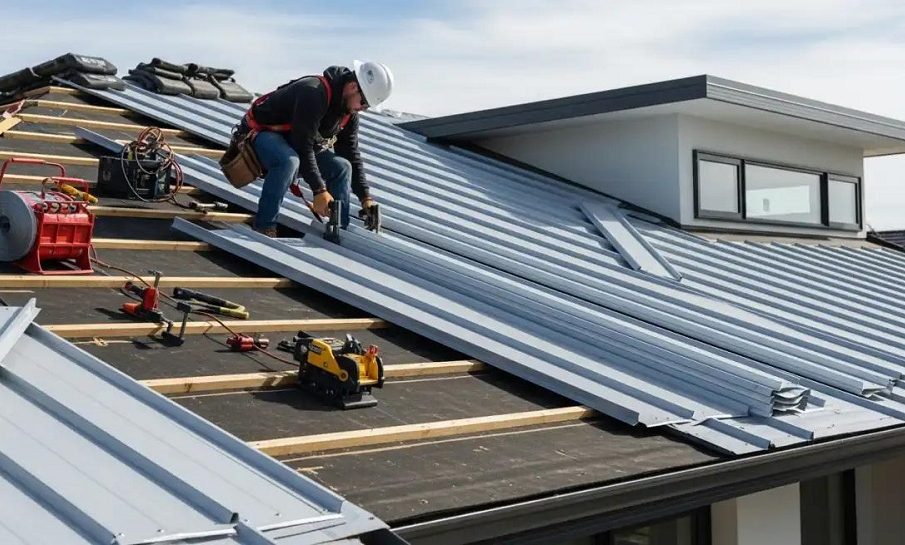
Choosing the right roofing material is one of the most important decisions homeowners make when building or replacing a roof. Durability plays a central role because the roof protects the structure from weather exposure, moisture intrusion, and temperature fluctuations throughout the year.
Metal roofing and asphalt shingles remain two of the most widely used roofing materials in residential construction. Each option offers unique strengths and limitations. Understanding how they compare in durability helps homeowners select a solution that supports long term performance and maintenance expectations.
Why Roofing Durability Matters for Homeowners
Roof durability influences repair frequency, maintenance costs, and long term property protection. A strong roofing system prevents water intrusion, improves insulation performance, and supports structural stability.
Durable roofing materials help homeowners:
- Reduce replacement frequency
- Protect interior finishes
- Improve weather resistance
- Lower long term maintenance costs
- Increase property resale appeal
Evaluating durability involves considering lifespan, climate performance, installation quality, and maintenance requirements.
Understanding Metal Roofing Systems
Metal roofing systems are manufactured from materials such as steel, aluminum, copper, and zinc. These roofs are commonly installed as standing seam panels or metal shingles designed to interlock securely.
Metal roofing has gained popularity because of its strength and long service life. Many homeowners choose metal roofing when planning long term structural improvements.
Common metal roofing characteristics include:
- High wind resistance capability
- Strong moisture protection performance
- Lightweight structural load
- Resistance to cracking and shrinking
These features contribute to extended roof durability.
Understanding Asphalt Shingle Roofing Systems
Asphalt shingles remain the most widely installed residential roofing material across many regions. They consist of fiberglass mats coated with asphalt and mineral granules that provide weather protection and color variation.
Asphalt shingles are commonly selected because they are accessible, adaptable, and compatible with a wide range of home styles.
Typical asphalt shingle characteristics include:
- Easy installation process
- Broad color selection
- Moderate durability performance
- Compatibility with most roof slopes
They provide reliable protection when properly installed and maintained.
Lifespan Comparison Between Metal Roofing and Asphalt Shingles
One of the most noticeable differences between metal roofing and asphalt shingles is expected lifespan.
Metal roofing systems typically last between forty and seventy years depending on material type and environmental conditions. Some premium metal roofs can last even longer with proper maintenance.
Asphalt shingles generally last between fifteen and thirty years depending on climate exposure and installation quality.
Longer lifespan makes metal roofing a strong choice for homeowners planning extended property ownership.
Weather Resistance Performance Differences
Weather resistance is a critical durability factor when comparing roofing materials.
Metal roofing performs well in challenging conditions such as:
- Heavy snowfall environments
- High wind regions
- Intense rainfall exposure
- Hot temperature climates
Metal panels allow snow to slide off easily and resist cracking during temperature fluctuations.
Asphalt shingles also provide solid weather protection but may become more vulnerable over time in extreme conditions such as prolonged heat or repeated freeze thaw cycles.
Climate conditions should influence material selection decisions.
Resistance to Moisture and Water Damage
Water intrusion is one of the primary causes of roof failure. Roofing materials must resist moisture penetration effectively.
Metal roofing systems feature interlocking panels that reduce the likelihood of water infiltration when installed correctly.
Advantages of metal roofing moisture resistance include:
- Reduced risk of mold formation
- Strong sealing performance
- Lower absorption compared to porous materials
Asphalt shingles rely on layered installation methods to prevent moisture penetration. Over time, granule loss may reduce protective performance.
Regular inspection helps maintain moisture resistance for both materials.
Wind Resistance Comparison
Wind resistance is essential in regions exposed to storms and strong seasonal weather.
Metal roofing systems are designed to withstand high wind speeds because panels attach securely to structural framing.
Advantages of metal roofing wind performance include:
- Reduced lifting risk during storms
- Strong fastening systems
- Continuous panel design
Modern architectural asphalt shingles also provide improved wind resistance compared to earlier versions, but individual shingle sections remain more vulnerable than continuous metal panels.
Fire Resistance and Safety Performance
Metal roofing offers strong fire resistance because it does not ignite when exposed to sparks or embers.
Fire safety advantages include:
- Non combustible material composition
- Reduced flame spread risk
- Compatibility with wildfire prone regions
Asphalt shingles can achieve high fire ratings when manufactured with fiberglass reinforcement, but they remain less naturally fire resistant than metal roofing materials.
Fire safety considerations may influence roofing selection in certain geographic areas.
Maintenance Requirements Over Time
Maintenance requirements play a major role in long term durability performance.
Metal roofing generally requires:
- Periodic inspection of fasteners
- Removal of debris accumulation
- Checking sealant conditions
Asphalt shingles typically require:
- Replacement of damaged shingles
- Monitoring granule loss
- Inspection after storms
- Occasional sealing repairs
Lower maintenance frequency contributes to metal roofing longevity advantages.
Impact Resistance Against Hail and Debris
Impact resistance affects how well roofing materials withstand hailstorms and falling branches.
Metal roofing panels provide strong resistance against moderate hail impact and are less likely to crack compared to brittle materials.
Asphalt shingles can experience surface granule loss or cracking after repeated hail exposure. However, impact resistant shingle options are available for improved performance.
Impact resistant roofing improves structural protection in storm prone regions.
Temperature Performance and Expansion Behavior
Temperature changes affect roofing material stability throughout the year.
Metal roofing expands and contracts slightly with temperature fluctuations but is designed to accommodate movement through fastening systems and panel spacing.
Asphalt shingles can become brittle in cold temperatures and soften during extreme heat exposure.
Material flexibility influences durability in climates with wide seasonal temperature variations.
Energy Efficiency and Heat Reflection Properties
Metal roofing reflects sunlight effectively, which helps reduce heat absorption and improves indoor comfort during warmer seasons.
Energy efficiency advantages of metal roofing include:
- Reduced cooling demand
- Reflective surface coatings
- Compatibility with insulation systems
Asphalt shingles absorb more heat compared to reflective metal surfaces, although lighter colored shingles can improve performance.
Energy efficiency contributes indirectly to long term durability by reducing thermal stress on roofing structures.
Installation Quality and Its Role in Durability
Even the strongest roofing material cannot perform effectively if installation quality is poor.
Proper installation ensures:
- Secure fastening systems
- Correct sealing alignment
- Effective moisture barriers
- Adequate ventilation support
Professional installation significantly influences durability outcomes for both roofing materials.
Long Term Cost Versus Durability Considerations
Initial installation costs for metal roofing are typically higher than asphalt shingles. However, longer lifespan and reduced maintenance needs often offset the difference over time.
Cost durability comparisons include:
- Longer replacement intervals for metal roofs
- Lower routine repair requirements
- Higher upfront asphalt affordability
- Moderate replacement frequency for shingles
Evaluating lifetime ownership cost provides a clearer comparison than installation price alone.
Environmental Durability and Sustainability Factors
Environmental durability refers to how roofing materials perform over time while minimizing environmental impact.
Metal roofing supports sustainability through:
- Recyclable material composition
- Long service life
- Energy efficient reflective surfaces
Asphalt shingles are widely available but generally require more frequent replacement cycles, which increases material usage over time.
Environmental considerations are becoming more important in roofing decisions.
Frequently Asked Questions
Which roofing material performs better in coastal environments
Metal roofing typically performs well in coastal environments when corrosion resistant coatings are used.
Are architectural asphalt shingles more durable than traditional shingles
Yes. Architectural shingles provide thicker construction and improved wind resistance compared to basic three tab shingles.
Can metal roofing be installed over existing shingles
In some cases metal roofing can be installed over existing shingles, but professional evaluation is necessary before proceeding.
Does roof color affect durability performance
Lighter colored roofs reflect more sunlight and may experience less thermal stress compared to darker surfaces.
How does roof slope influence material durability
Steeper slopes improve water drainage and help extend the lifespan of both metal roofing and asphalt shingles.
Is noise from rain higher with metal roofing
Proper insulation and underlayment significantly reduce noise levels associated with metal roofing systems.
Which roofing material increases resale value more
Metal roofing often improves resale appeal because of its long lifespan and durability advantages.


