The Enduring Allure and Practical Wisdom of the Wooden Wine Rack
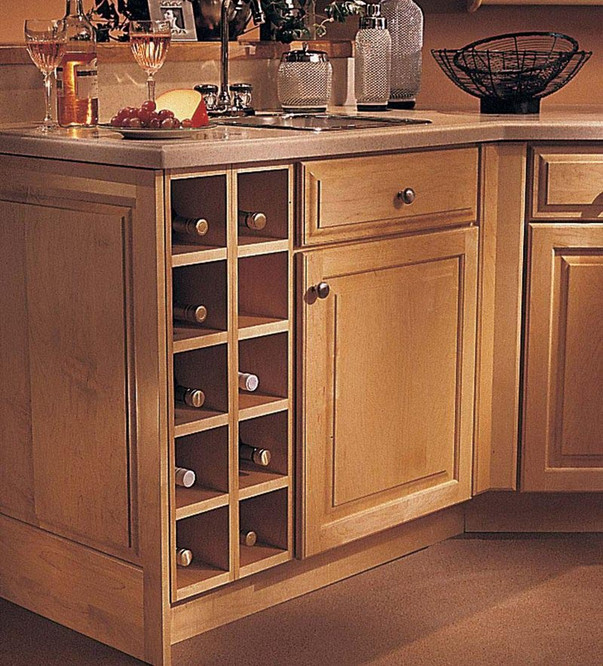
In an age of ever-evolving storage solutions and sleek, minimalist designs, the wooden wine rack stands as a testament to timeless elegance and enduring functionality. More than just a simple holder for bottles, it is a statement piece, a guardian of cherished vintages, and an embodiment of the rich history and tradition of winemaking itself. Its widespread appeal, from the connoisseur’s cellar to the casual collector’s kitchen, speaks volumes about the multifaceted benefits it offers, blending aesthetic warmth with practical advantages in a way few other storage options can.
To truly appreciate the wooden wine rack is to understand its role not just in preserving wine, but in enhancing the entire wine experience. It’s a choice rooted in tradition, validated by science, and celebrated for its inherent beauty.
A Nod to Tradition: The Aesthetic Splendor
One of the most immediate and undeniable benefits of a wooden wine rack is its aesthetic charm. Wood has a natural grain, different colours, and organic textures that give it a warmth and elegance that synthetic materials can’t match. Each piece tells a story, hinting at the forest from which it came, and promising a rustic elegance that complements almost any interior design style.
Whether it’s a grand, custom-built cellar unit crafted from rich oak, a freestanding pine rack for a dining room corner, or a delicate bamboo countertop holder, wood infuses a space with character. It creates an inviting atmosphere, transforming a simple collection of bottles into a curated display. For many, a wooden wine rack is not just storage; it’s a decorative element, a focal point that speaks to a refined taste and an appreciation for the finer things in life. This inherent beauty makes it a natural fit for both traditional and contemporary settings, serving as a timeless piece that never goes out of style.
The Science of Storage: Optimal Conditions for Maturation
Beyond its visual appeal, the wooden wine rack offers significant functional advantages, particularly when it comes to the optimal maturation and preservation of wine. Wine is a living entity, sensitive to its environment, and wood provides conditions that are remarkably conducive to its long-term health.
- Vibration Dampening: Wood is a natural shock absorber. Unlike metal racks that can transmit vibrations from footsteps or nearby appliances, wooden racks naturally dampen these subtle movements. Vibrations are detrimental to wine, as they can disturb the sediment and accelerate undesirable chemical reactions, leading to premature aging and a “tired” wine. The stability offered by wood helps maintain the wine’s delicate equilibrium.
- Consistent Temperature and Humidity: While not a complete climate control solution, wood possesses natural insulating properties. It helps to buffer against rapid fluctuations in temperature, which are a wine’s worst enemy. When things change quickly, the wine in the bottle expands and shrinks. This might let oxygen in or force the cork out, which causes oxidation. Also, wood can help keep the humidity around the cork stable, which stops it from drying out and shrinking, which would let oxygen into the bottle.
- Horizontal Storage for Cork Health: The design of most wooden wine racks promotes horizontal storage. This is crucial for wines sealed with natural corks. Storing bottles on their side ensures that the cork remains in constant contact with the wine, keeping it moist and swollen. A dry cork can shrink, allowing air to seep into the bottle and oxidize the wine, spoiling its flavor.
- Odor Neutrality: High-quality, untreated wood is generally odor-neutral, meaning it won’t impart any unwanted aromas or flavors to your wine. This is a critical consideration, as wine can be susceptible to absorbing external odors.
Environmental Considerations: A Sustainable Choice
For those mindful of their ecological footprint, wooden wine racks can be a more sustainable choice compared to those made from certain plastics or heavily processed metals. When sourced from sustainably managed forests or constructed from reclaimed wood, they represent a renewable resource. The production of wooden racks often has a lower environmental impact than manufacturing alternatives, and at the end of their long life, wood is biodegradable.
Conclusion
The enduring appeal of the wooden wine rack lies in its seamless integration of aesthetic beauty with superior practical benefits. It is a testament to natural materials and timeless craftsmanship, offering optimal conditions for wine preservation while simultaneously enhancing the ambiance of any space. From guarding the delicate nuances of a maturing vintage to serving as a captivating display piece, the wooden wine rack transcends mere utility. It is a commitment to quality, an investment in tradition, and a quiet enjoyment of the art and science of wine that turns a collection of bottles into a treasured personal library.