Slate Roofing Sydney: A Homeowner’s Guide to Installation, Repairs and Long-Term Care
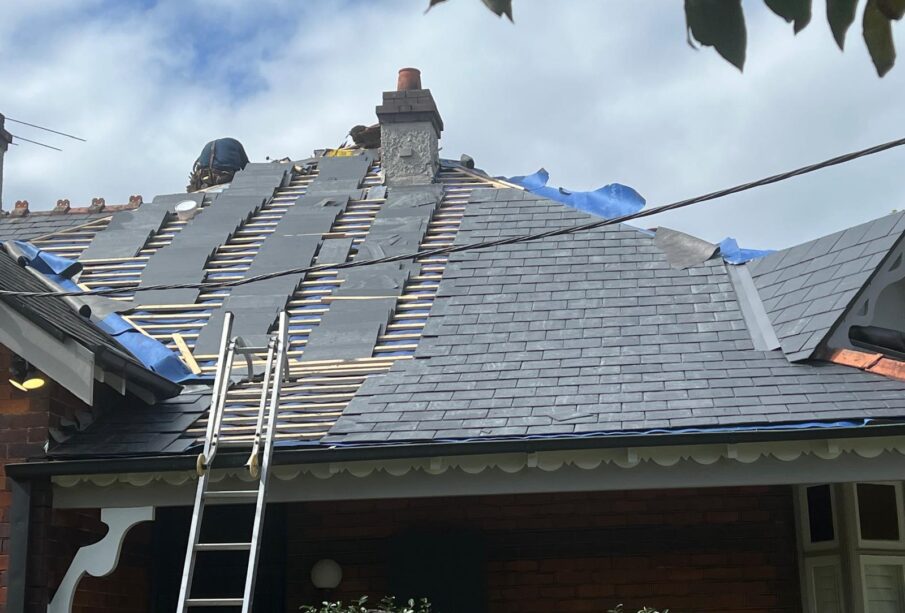
Walk through older suburbs such as Ashfield, Glebe or Woollahra and you will notice a particular kind of roof. The tiles are thin, flat and dark, laid in neat overlapping rows, and many of them have been sitting there since the house was built. That is natural slate, and it has a reputation that very few building materials can match. A slate roof installed properly and looked after sensibly can outlast the people who paid for it.
That reputation is also why slate can feel intimidating to a homeowner. It costs more upfront than concrete tiles or metal sheeting, it needs a tradesperson who understands traditional methods, and the wrong repair can shorten the life of a roof that should have lasted another fifty years. People who inherit a slate roof with a heritage home often have no idea whether a few slipped tiles are a quick fix or the start of something bigger.
This guide is written for exactly that reader. It explains what slate is and why it suits Sydney’s weather, which properties it fits best, what each of the main services involves, how to decide between repair and replacement, what warning signs to watch for, and how to choose a contractor you can trust with a roof that is meant to last a century.
Why Slate Has Stayed Popular on Sydney Roofs
What Slate Actually Is
Slate is a natural stone, not a manufactured product. It is quarried, then split along its natural grain into thin, flat tiles that are fixed to timber battens on the roof frame. Because every tile is a piece of rock rather than a mixture poured into a mold, slate carries a density and a resistance to weather that concrete and clay tiles struggle to imitate.
That origin also explains two of its most useful properties. Slate does not burn, which matters in a country where bushfire exposure is a real consideration for many homes. And it does not rot, warp or corrode, so the material itself rarely fails. When a slate roof develops problems, the cause is usually the fixings, the flashings or the timber underneath rather than the slate.
What the Sydney Climate Does to a Roof
Sydney is hard on roofing. Summers bring intense UV exposure that fades and weakens many synthetic materials. Autumn and spring deliver heavy rain, often in short, violent bursts that test every valley, gutter and flashing on the house. Coastal suburbs add salt-laden air that attacks metal fixings over time. Hail and strong winds arrive with seasonal storms, and branches come down with them.
A roofing material that performs well in Sydney therefore needs to shed water fast, shrug off UV, resist salt and stay in place under wind loading. Natural slate handles all of these, which is why so many of the city’s heritage roofs are still doing their job.
What Slate Offers in Return
The case for slate comes down to a handful of advantages that reinforce each other:
- Lifespan: a professionally installed slate roof can last well over 100 years with appropriate maintenance. Many historic buildings in Europe are still covered by their original slate after more than 150 years.
- Weather resistance: slate copes with heavy rain, strong winds and swings in temperature with minimal deterioration.
- Fire resistance: natural slate is non-combustible.
- Low maintenance: routine inspections and occasional minor repairs are usually enough to keep it performing.
- Appearance: the color and texture of natural stone give a roof an architectural character that does not date.
- Sustainability: a natural material with a service life measured in generations means far fewer replacement cycles.
- Value: the long lifespan makes slate one of the more cost-effective roofing investments when the cost is spread across the decades it serves.
Which Properties Suit a Slate Roof
Heritage Homes and Historic Buildings
Slate is the natural choice for heritage properties for a simple reason: it is usually what was there in the first place. Replacing it with a different material changes the look of the building, can run into heritage planning issues and often introduces a product that will need replacing long before slate would have. Churches, civic buildings and Federation-era homes in Sydney frequently need their original roofing preserved rather than swapped out, which means specialist work on fixings, lead flashings, valleys and ridges while retaining as much of the original slate as possible.
Finding the right people for that work matters. First Class Slate Roofing, for example, provides the kind of slate roofing sydney property owners rely on for installation, repairs, replacement and ongoing maintenance across residential, commercial and heritage properties, combining traditional craftsmanship with modern roofing practices. For a heritage home in particular, that blend of old technique and current standards is exactly what protects both the character of the building and the owner’s investment.
Contemporary and Luxury Homes
Slate is not only for old houses. On a new build, a slate roof gives a clean, sophisticated finish that pairs well with rendered walls, timber cladding and large glazed openings. Architects often specify it on premium residences because the roof becomes a visible design element rather than something to hide. Buyers also tend to recognize slate as a quality signal, which supports long-term property value.
Commercial and Institutional Buildings
Commercial owners choose slate for the same reasons as homeowners, with one extra consideration: minimal ongoing maintenance means fewer disruptions to tenants and operations. Schools, churches, offices in converted heritage buildings and institutional properties all benefit from a roof that needs scheduled inspections rather than frequent intervention. Where work is required, projects are typically planned around the building’s use so that disruption stays low.
The Main Slate Roofing Services Explained
Slate Roof Installation
A new slate roof starts with the structure underneath. The battens need to be sound and correctly spaced for the slate size, the underlay must be suitable, and every tile has to be positioned accurately and fixed securely so that it overlaps its neighbors by the right margin. Flashings around chimneys, skylights and wall junctions are formed and integrated with the slate rather than simply sealed over. This is slow, precise work, and it is where traditional technique matters most. A roof installed properly in this way is what gives slate its century-plus lifespan.
Slate Roof Repairs
Repairs address localized problems: a few broken or slipped tiles after a storm, a leaking valley, cracked flashing around a chimney, or a loose ridge capping. Good repair work preserves the existing slate wherever possible, replacing only what has failed and matching new or reclaimed slate to the original. Repairs done well extend the service life of the whole roof; repairs done badly, such as using sealants or the wrong fixings, tend to create the next problem.
Slate Roof Replacement
Replacement is the complete removal of the old roof covering and the installation of a new slate system. It is the right call when the problem is systemic rather than local, for example when the nails holding the slates have corroded across large areas, the battens have deteriorated or structural movement has affected the roof. Replacement is a bigger investment and takes longer, but it delivers a fully renewed roof while keeping the appearance of natural slate.
Maintenance and Inspections
Maintenance is where slate earns its low-upkeep reputation. A professional inspection assesses the slate condition, flashings, ridges and valleys, identifies developing issues and recommends preventive work before small faults become major repairs. Storm damage assessments after severe weather fall into the same category. Because slate itself rarely fails, catching fixing and flashing problems early is what keeps a roof going for decades longer.
Heritage Slate Roofing
Heritage work is a specialist category of its own. It covers restoration of original slate roofs, traditional slate replacement, lead flashing repairs, valley and ridge restoration, chimney flashing repairs, matching reclaimed slate and structural roof restoration. The guiding principle is to retain original materials where they are still fit for purpose. In practice, many heritage slate roofs need their fixing systems repaired rather than the slate itself replaced, which preserves the building’s character while restoring performance.
Repair or Replace? How to Decide
When Repairs Make Sense
Repairs are generally the right approach when damage is isolated and the underlying roof is otherwise healthy. Typical cases include:
- A number of broken slate tiles after hail or a fallen branch
- Slipped slates where the fixing has let go in one area
- Minor roof leaks traced to a single valley or flashing
- Damaged flashing around a chimney or roof penetration
- Localized storm damage
In these situations, targeted repairs preserve the existing roof and extend its life at a fraction of the cost of replacement.
When Replacement Is the Better Call
A full replacement becomes appropriate when the problem is spread across the roof rather than confined to one spot:
- Extensive nail sickness, where the fixings have corroded and slates are slipping in many places
- Large sections of slate that have deteriorated or delaminated
- Roof battens that have rotted or weakened
- Structural movement that has disturbed the roofing system
- A history of repairs that no longer hold
At that point, continuing to patch becomes more expensive over time than renewing the roof properly.
Side-by-Side Comparison
| Factor | Slate Roof Repairs | Slate Roof Replacement
|
|---|---|---|
| Best suited to | Isolated damage | Aging roofs with widespread issues |
| Existing slate | Preserved wherever possible | Replaced with a completely renewed system |
| Initial cost | Lower | Higher, as a long-term investment |
| Time on site | Faster completion | Longer installation period |
| Effect on lifespan | Extends the current roof | Resets the roof to its full lifespan |
The honest answer in most cases comes from a professional inspection. A specialist who works with slate every day can tell the difference between a roof that needs twenty tiles and a roof that needs a new fixing system, and that judgment is worth paying for before committing to either path.
Warning Signs Your Slate Roof Needs Attention
What You Can See From the Ground
You do not need to climb a ladder to spot the early signs. Stand back from the house and look along the roof lines. Watch for:
- Broken or cracked slate tiles
- Slates that have slipped out of line or are missing altogether
- Ridge cappings that look loose or uneven
- Moss or lichen growth, particularly on shaded slopes
- Roof lines that appear to sag or undulate, which can point to batten or structural problems
- Flashing around chimneys or walls that is lifting, cracked or discolored
What You May Notice Indoors
Some problems show up inside before they are obvious outside. Water stains on ceilings, damp patches high on walls, a musty smell in the roof space or daylight visible through the roof from inside the attic all suggest water is getting past the slate. Because slate sheds water so effectively, a leak almost always points to a flashing, valley or fixing fault rather than the stone itself, and these are usually repairable if caught early.
After a Storm
Sydney’s storm season is the most common time for slate roofs to be damaged. Hail can crack tiles, wind can lift and slip them, and falling branches can break several at once. After any severe storm, check the ground around the house for slate fragments and look at the roof for new gaps. Removing fallen branches promptly and arranging an inspection soon afterward prevents a few broken tiles from turning into water damage inside.
Looking After a Slate Roof Year Round
A Simple Maintenance Checklist
Slate asks very little of its owner, but the little it asks for matters. A sensible routine looks like this:
- Arrange periodic professional roof inspections.
- Have the roof checked after severe storms.
- Remove fallen branches and debris promptly.
- Keep gutters clear so water does not back up under the slate.
- Repair broken or slipped tiles as soon as they are noticed.
- Check flashing around chimneys, vents and other roof penetrations.
- Deal with minor leaks before they spread to timber and ceilings.
- Avoid walking directly on the slate.
Why You Should Not Walk on Slate
This last point deserves emphasis. Slate is strong against weather but brittle under point loads. A person’s weight concentrated on one tile can crack it, and a cracked tile may not show its damage until the next heavy rain. Roofers who specialize in slate use techniques and equipment to move across a roof without loading individual tiles. Homeowners, gutter cleaners and tradespeople from other trades often do not, which is why a good deal of slate damage follows an unrelated job such as antenna or solar work.
Keeping Gutters and Valleys Clear
Valleys are the channels where two roof slopes meet, and they carry a large volume of water during heavy rain. Leaves and debris that collect in valleys and gutters cause water to pool and back up under the lower courses of slate, which is a leading cause of leaks on otherwise sound roofs. Clearing gutters regularly, especially before storm season and after autumn leaf fall, is one of the cheapest ways to protect a slate roof.
How to Choose a Slate Roofing Contractor in Sydney
Why General Roofers Are Not Always the Right Fit
Slate is a specialist trade. The techniques for sizing, fixing and flashing slate differ from those used for concrete tiles or metal sheeting, and a contractor who mainly works with other materials may not have the experience to do it well. Each slate must be positioned accurately, fixed securely and integrated with surrounding components so that the roof performs as a system. Choosing a company that works with slate as its core business, rather than as an occasional sideline, gives you a far better chance of a roof that lasts as intended.
Questions Worth Asking
Before you commit, ask the contractor:
- How much of your work is slate, and can you show recent slate projects in Sydney?
- Do you handle heritage roofs, and how do you approach retaining original slate?
- Will you inspect the roof properly before quoting, and will the quote explain whether repair or replacement is recommended and why?
- How do you match replacement slate to the existing roof?
- Who manages the project day to day, and how is the site kept safe and tidy?
- What ongoing maintenance or inspection do you recommend after the work?
What a Good Quote Covers
A quote worth taking seriously will describe the scope clearly: which areas are to be repaired or replaced, how flashings and valleys will be handled, what happens to the existing slate, how long the work will take and what is excluded. Vague quotes that simply give a lump sum for “roof repairs” make it hard to compare contractors and even harder to hold anyone to account later. Because pricing depends heavily on the roof’s condition, access and the type of slate, treat any figure quoted without an inspection as a rough guide only.
Red Flags
Be cautious of anyone who suggests sealing a slate roof with a coating or spray, recommends replacing an old slate roof with a cheaper material without discussing restoration, or pressures you into a full replacement without explaining what specifically has failed. Slate roofs are often repairable for far longer than owners expect, and a contractor who respects that is usually one who understands the material.
Frequently Asked Questions
How long does a slate roof last in Sydney?
A professionally installed natural slate roof can last well over 100 years with appropriate maintenance. The slate itself rarely wears out; it is the fixings, flashings and timber underneath that typically need attention over the decades.
Is slate roofing a good choice for Sydney’s weather?
Yes. Slate performs well against the combination of strong UV, heavy rainfall, coastal conditions and seasonal storms that Sydney roofs face. It is also non-combustible, which is a meaningful advantage for homes with bushfire exposure.
Can a slate roof be repaired, or does it have to be replaced?
Most problems on slate roofs are repairable. Broken or slipped tiles, minor leaks and flashing faults are all localized issues. Replacement is usually only recommended when nail sickness, batten deterioration or structural movement affects large areas of the roof.
What is nail sickness?
Nail sickness is the term for corroded nails or fixings that no longer hold the slates securely. When it is widespread, slates begin slipping across the roof and a new fixing system or full replacement becomes the practical solution, even if the slate itself is still in good condition.
Can I walk on my slate roof to check it?
It is best not to. Slate is brittle under concentrated weight and can crack without the damage being immediately visible. Inspect from the ground or from a ladder at the eaves, and leave any work on the roof surface to a slate specialist.
How often should a slate roof be inspected?
Periodic professional inspections, plus a check after any severe storm, are generally enough to catch developing issues early. Keeping gutters clear and removing debris between inspections helps prevent the most common causes of leaks.
Does a heritage home have to keep its slate roof?
Many heritage properties in Sydney are expected to retain their original roofing appearance. Beyond any planning requirements, keeping the slate usually makes practical sense too, since original slate in good condition can often be refixed and restored rather than replaced.
Final Thoughts
A slate roof is one of the few parts of a house that can genuinely be described as a once-in-a-lifetime investment, and often more than once. In Sydney’s demanding climate, natural slate offers a combination of weather resistance, fire resistance, low maintenance and lasting good looks that few materials can match. The trade-off is that it rewards expertise and punishes shortcuts.
Whether you are building new, restoring a heritage property or trying to work out why a hundred-year-old roof has started to leak, the path is the same: get a proper inspection, understand whether repair or replacement is the right answer, and choose a contractor who works with slate every day. Do that, and the roof over your head will likely still be doing its job for the next generation.